
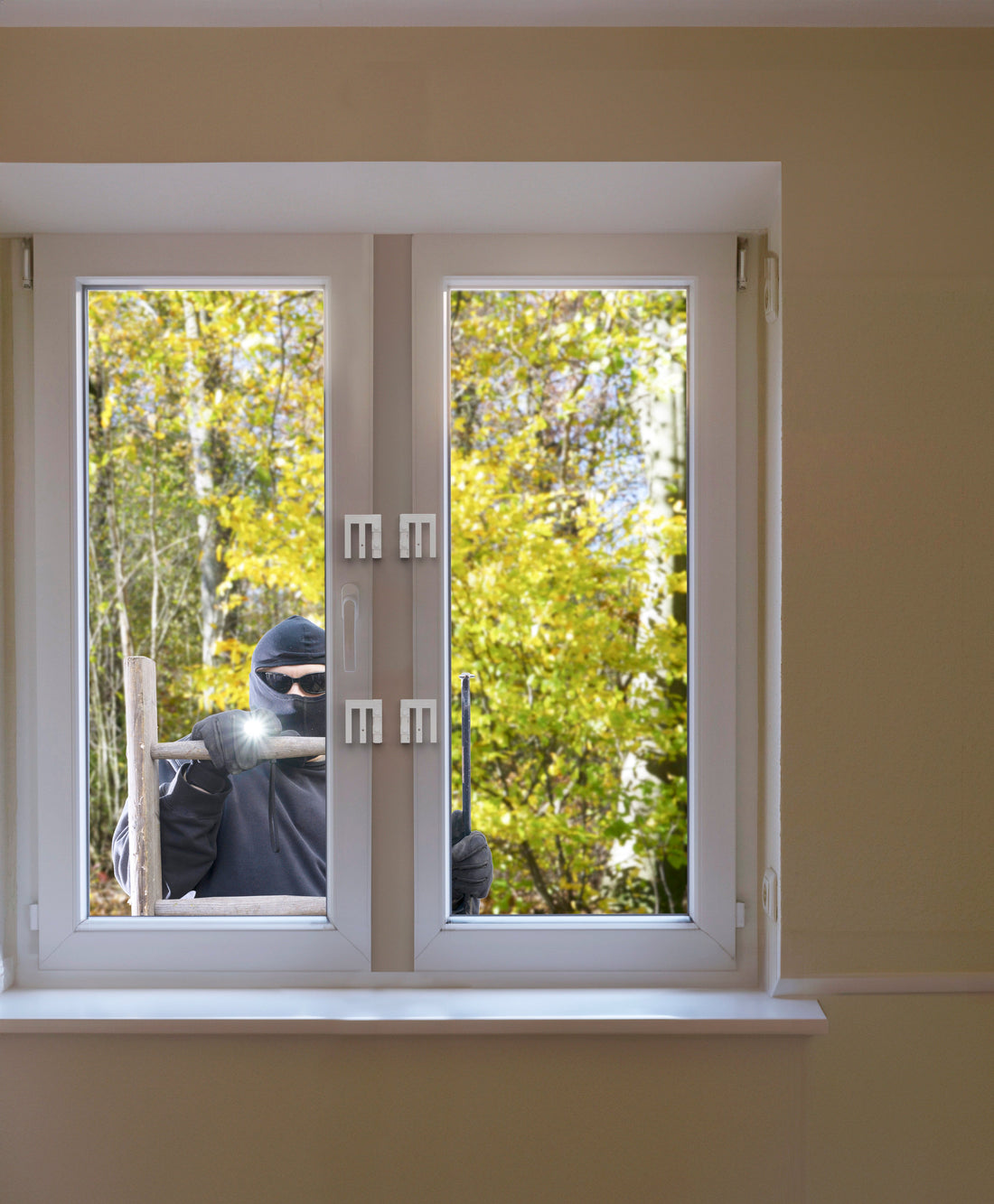
Modern security systems are often insufficient
Many museums invest millions annually in state-of-the-art security technology. Alarm systems, motion detectors, and camera systems have long been standard. Yet, despite these high-tech measures, burglars repeatedly manage to break into museums.
The reason is often surprisingly trivial: burglary protection for windows and doors is neglected. Many perpetrators use classic methods and pry open windows or doors with simple tools.
Current case: Louvre break-in reveals weaknesses
A recent example is the break-in at the Louvre. Despite extensive security measures, perpetrators managed to gain access through a window. Apparently, window security was skimped on – a mistake with serious consequences. This incident clearly shows that even the world's most famous museum is not sufficiently protected if mechanical burglary protection is neglected.
Mechanical burglary protection: The first and most important shield
While electronic systems only alarm once a break-in has already begun, mechanical burglary protection prevents entry from the outset. Windows and doors that are sufficiently reinforced pose a serious obstacle to perpetrators.
This is where the window lock for burglary protection comes into play – an often underestimated, but extremely effective security element.
Scheffinger window locks: Proven to be secure against forced entry attempts
The Scheffinger window locks are among the most powerful solutions in the field of mechanical burglary protection. They are made of a special iron, cast in one piece. This massive construction ensures that no weak points arise – a decisive advantage over conventional products.
Tests have shown that Scheffinger window locks withstand a forced entry attempt for at least three minutes. In practice, this means that burglars often give up after a short time when they encounter solid resistance. Every additional minute counts – and can make the decisive difference between a prevented and a successful break-in.
Why museums should invest in window security
Museums house invaluable artworks and cultural assets. A break-in can cause not only material but also immense cultural damage. Therefore, museums should, for burglary protection, not only rely on electronics but above all on mechanical security technology.
Window locks like those from Scheffinger offer reliable and durable protection. They are low-maintenance, inconspicuous, and can be retrofitted to existing windows – an ideal solution for historical or listed buildings.
Conclusion: Classic burglary protection remains essential
The Louvre break-in has once again shown that high-tech security systems alone are not enough. Only the combination of electronic surveillance and mechanical burglary protection offers real security.
With Scheffinger window locks, museums, galleries, and private owners alike rely on tested quality and maximum stability – for the protection of priceless valuables. The window locks are available on Amazon, Ebay, OTTO, and from specialist retailers.